While learning how to pour concrete can save you money and improve your skills, it is not a professional job. Without proper equipment and attention, the results may look amateurish. Concrete is a mixture of cement, sand gravel, water and other materials. It can be difficult to mix and manipulate. Concrete's quick drying time makes any mistakes permanent.
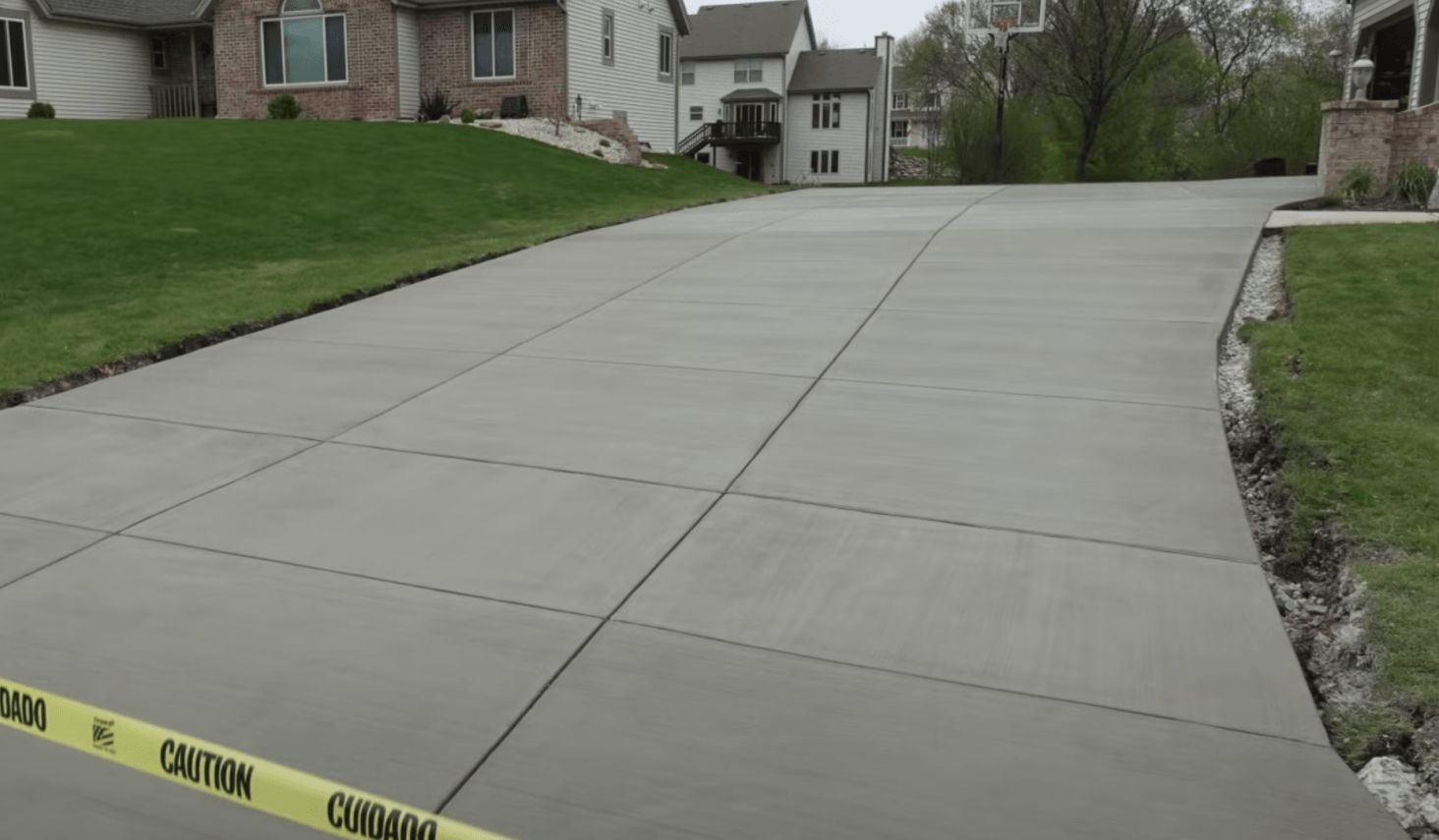
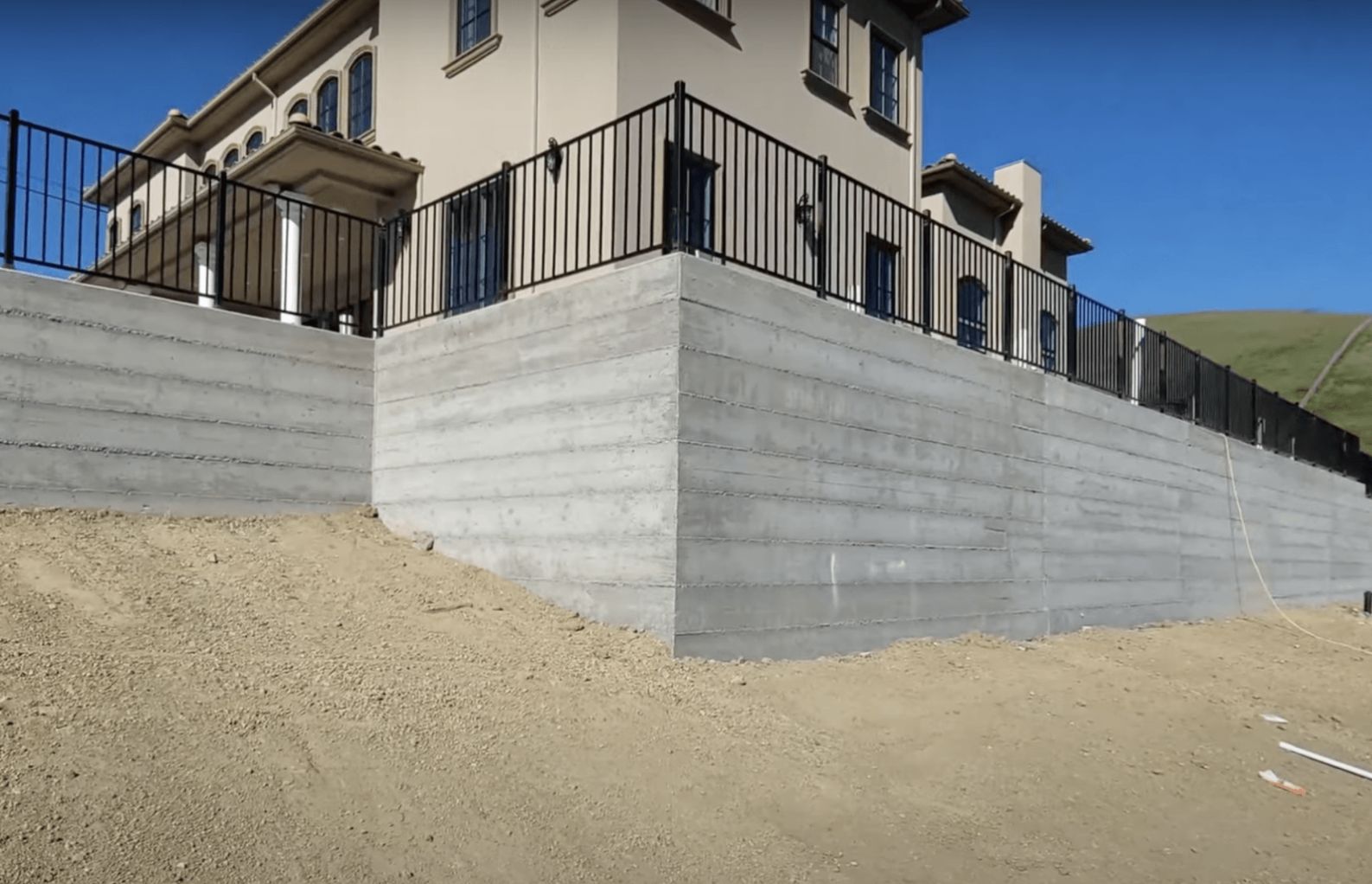
It doesn't matter if you are making a patio slab, driveway or other type of construction, it is possible to work in smaller areas using concrete forms. Bagged concrete mixes can also make it easier. There are many concrete mixes, and there are many uses for them. This how-to-pour concrete guide explains the basics of using bagged concrete in small residential settings to make concrete pouring easier.
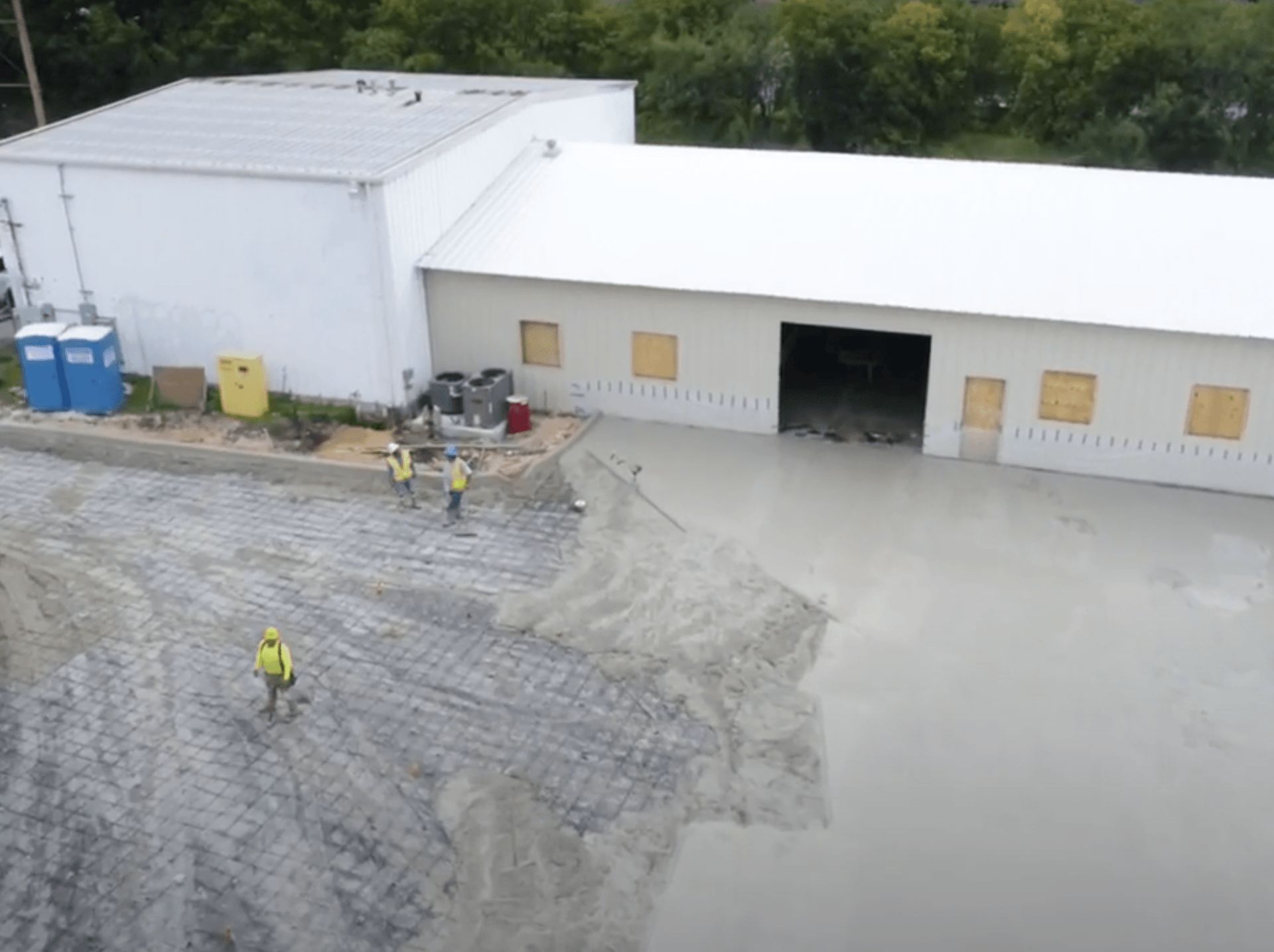
You can learn a lot about concrete mixes. Ready-mix concrete can be used for larger jobs, and it is typically delivered by a concrete truck. Bagged concrete is the preferred choice of DIYers. The concrete is purchased from a concrete supplier, and it's delivered by a concrete truck. It mixes the concrete while it drives to its destination. Suppliers can make a specific mix for each job and then it's professionally delivered to the site and placed.
Bagged concrete mix can be bought online or at a local home improvement store for smaller DIY projects. It is very similar to what a supplier makes. The concrete mix is all that's in the bag except the water. It's important to work quickly in order to get the best results. However, a bagged concrete mix allows DIYers to make smaller batches and has more control.
It is important to check the strength of concrete and make sure that the correct pounds per square inch are used. A patio or driveway should have a minimum of 3,000 psi. Concrete that is stronger than 3,500 to 4,000 psi is required for footings. To calculate the amount of concrete required for a project, multiply the foundation's length and width by its height. This will give you its cubic footage. To determine the cubic yardage, divide cubic footage by 27